“Whatever you do, work at it with all your heart.” — Colossians 3:23
Starting the Year with a New Power
As we wrap up the Every Good Endeavor series and step into a new year, many of us are asking: How can I approach my work with renewed purpose and freedom?
In previous posts, we explored how the gospel gives us a new story, a new conception, and a new compass for work. Now we turn to the final piece: a new power for work—a power that frees us from burnout and anxiety by giving us both true passion and deep rest.
The Work Beneath the Work
For many, work is more than a job—it’s an attempt at redemption. We strive to prove our worth, secure our identity, and find meaning through productivity and success. But this “work under the work” is exhausting.
- Some work frantically to feel significant.
- Others see work only as a means to fund "real life," turning it into a joyless grind.
Both approaches leave us burned out. The apostles understood something different: after meeting Jesus, they didn’t abandon work entirely—they returned to fishing and tentmaking. But their relationship to work changed. Their identity was no longer tethered to their trade or income. They had freedom from work and in work because they were secure in Christ.
Do we have that freedom? Or do we chase the next “big catch”—the next promotion, bonus, or job—without pause? The gospel offers a new power for work by giving us true passion and deep rest.
The Power of True Passion
Passion is essential for excellence, but not all passion is created equal. Many of us confuse true passion with the frantic energy that comes from fear—fear of failure, fear of falling behind, fear of being insignificant. That kind of passion can produce results for a time, but it is ultimately unsustainable because it is fueled by insecurity and self-centered ambition.
Without something bigger than ourselves to work for, our energy will inevitably be driven by one of the deadly sins:
- Envy — working hard to outshine others.
- Pride — striving to prove our worth.
- Greed — chasing wealth as the ultimate goal.
- Gluttony for pleasure — using work only as a means to indulge ourselves.
When the self becomes the center, work releases all the worst vices as its animating energy. This is what Scripture calls the “work under the work”—the restless striving to justify ourselves.
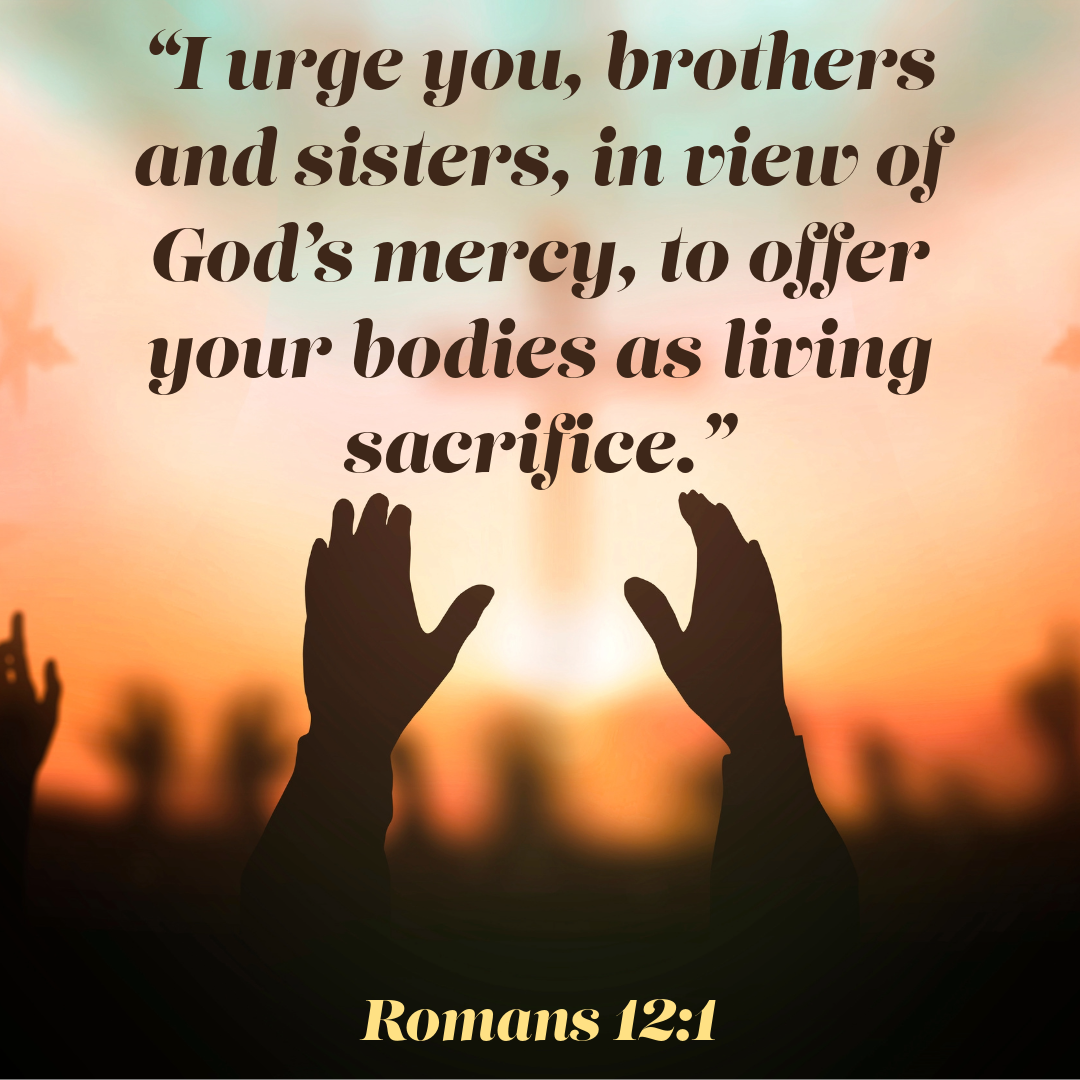
The gospel offers a radically different source of passion: selfless love. Romans 12:1 urges us to “offer your bodies as a living sacrifice.” True passion is not about self-promotion but self-giving. It means surrendering our freedom for the good of others and for the glory of God.
Romans 12:11 adds another dimension:
“Never be lacking in zeal, but keep your spiritual fervor, serving the Lord.”
Biblical zeal combines urgency and diligence—not frantic striving, but focused devotion. It is passion born of gratitude, not fear. When you know you are adopted into God’s family, you already have affirmation. There is nothing to prove. Your work becomes an act of worship, not a desperate attempt to earn identity.
Practical Example:
- A Christian entrepreneur doesn’t build a business to outdo competitors or accumulate status but to create value that serves people and honors God.
- A teacher doesn’t teach to gain applause but to shape lives with truth and grace.
True passion liberates us from the tyranny of self-interest and fills our work with purpose that lasts.
The Power of Deep Rest
Work and rest are not enemies—they are partners in a rhythm designed by God. Physical rest replenishes our bodies and minds, giving us perspective and energy. But the gospel offers something deeper: soul rest—freedom from the relentless need to prove ourselves through performance.
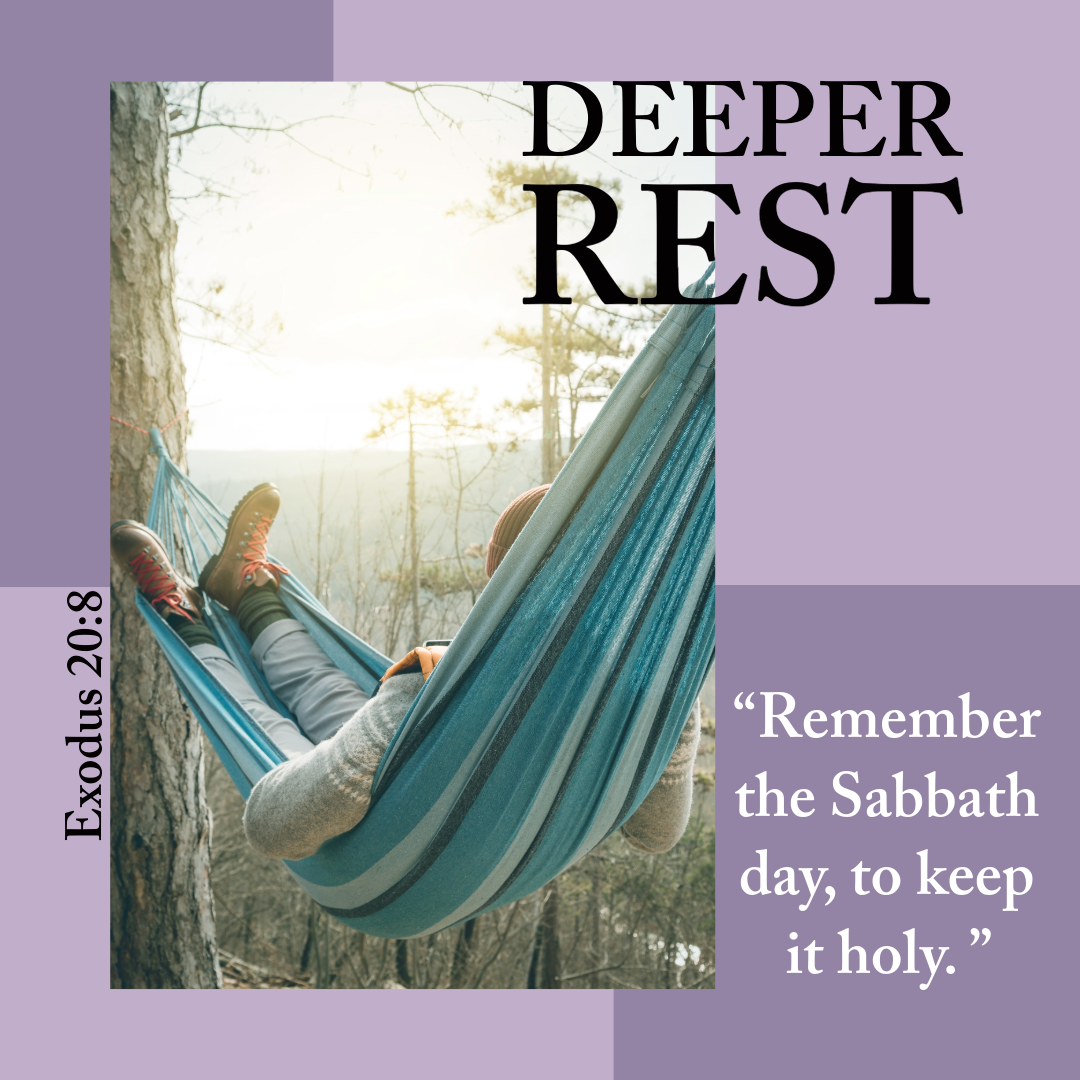
When we fail to rest, we violate our created design. Overwork and underwork both lead to breakdown. The Sabbath, commanded in Exodus 20, reminds us of two truths:
- Creation: God rested after His work, so we rest after ours. Sabbath celebrates our design and the goodness of creation.
- Redemption: Deuteronomy 5 ties Sabbath to emancipation from slavery. To ignore rest is to live as a slave—to culture, ambition, or fear.
Sabbath is not laziness; it is liberation. It declares:
“I am not the one who keeps the world running. I am not my own provider. God is.”
Practicing Sabbath is an act of trust. It trains our hearts to believe that God’s provision is enough and that our worth is not tied to constant productivity. Without this discipline, we become enslaved—by our own hearts, by materialistic culture, or by exploitative systems.
Think of Sabbath as a celebration and a declaration:
- A celebration of God's goodness and our design.
- A declaration of freedom from the idols of success and control.
Jesus reinforces this in Matthew 6:25–34, calling us to release worry and trust the Father’s care. And in Matthew 11:28–30, He offers the ultimate rest:
“Come to me, all you who are weary and burdened, and I will give you rest.”
God rested because His work was finished. We rest because Christ’s redemptive work is finished. When the “work under the work” is satisfied in Him, we can work with passion and peace—accepting success or failure as part of His calling, knowing our deepest desires will be fulfilled in the new creation.
Practical Example:
- A high-achieving professional who practices Sabbath learns to unplug without guilt, trusting that God—not their effort—sustains their life and future.
- An entrepreneur resists the temptation to work seven days a week, remembering that rest is an act of faith, not weakness.
Deep rest doesn’t make us less productive; it makes us more fruitful because it restores perspective and renews passion.
The Rest Beneath the Rest
Matthew 11:28–30 offers the ultimate solution:
“Come to me, all you who are weary and burdened, and I will give you rest.”
God rested after creation because His work was finished. We rest because Christ’s redemptive work is finished. When the “work under the work” is satisfied in Him, we can work with passion and peace—accepting success or failure as part of His calling, knowing our deepest desires will be fulfilled in the new creation.
Wrapping Up the Series: Gospel Changes Everything
This journey through Every Good Endeavor has shown us that the gospel transforms not just our hearts but our work, our communities, and the world. Here’s what changes:
- From individual salvation → to gospel renewal of all things
- From being good → to being saved by grace
- From cheap grace → to costly grace and repentance
- From heaven "up there" → to Christ returning to renew this earth
- From God as value-add → to God's providence shaping our work
- From idols of success → to living for God's glory
- From disdain for the world → to engagement with culture
- From isolation → to community and collaboration
- From Christian superiority → to humble recognition of common grace
The gospel gives us a new story, a new conception, a new compass—and now, a new power for work. May this truth free you to work wholeheartedly, with joy and rest, for the glory of God.