Who's your favorite celebrity or famous person?
Maybe it's an athlete whose games you never miss. Maybe it's a musician whose songs are always on your playlist. Maybe it's a podcaster, author, or social media influencer whose content regularly fills your feed. Though we've never met many of these people personally, they often have a surprising amount of influence over what we think, value, and believe.
Influence is powerful. God created us to learn from others, follow examples, and be shaped by trusted voices. But what happens when the people influencing us are leading us in the wrong direction?
That's the concern Peter addresses in 2 Peter 2:10-22. In this sobering passage, he warns believers about false teachers, individuals who know the truth of the gospel yet willingly reject it and attempt to lead others away as well. These aren't merely confused people wrestling with difficult questions. Peter describes them as people who actively distort the truth and confuse others in the process.
and especially those who indulge in the lust of defiling passion and despise authority.
Bold and willful, they do not tremble as they blaspheme the glorious ones, 11 whereas angels, though greater in might and power, do not pronounce a blasphemous judgment against them before the Lord. 12 But these, like irrational animals, creatures of instinct, born to be caught and destroyed, blaspheming about matters of which they are ignorant, will also be destroyed in their destruction, 13 suffering wrong as the wage for their wrongdoing. They count it pleasure to revel in the daytime. They are blots and blemishes, reveling in their deceptions, while they feast with you. 14 They have eyes full of adultery, insatiable for sin. They entice unsteady souls. They have hearts trained in greed. Accursed children! 15 Forsaking the right way, they have gone astray. They have followed the way of Balaam, the son of Beor, who loved gain from wrongdoing, 16 but was rebuked for his own transgression; a speechless donkey spoke with human voice and restrained the prophet’s madness.
17 These are waterless springs and mists driven by a storm. For them the gloom of utter darkness has been reserved. 18 For, speaking loud boasts of folly, they entice by sensual passions of the flesh those who are barely escaping from those who live in error. 19 They promise them freedom, but they themselves are slaves of corruption. For whatever overcomes a person, to that he is enslaved. 20 For if, after they have escaped the defilements of the world through the knowledge of our Lord and Savior Jesus Christ, they are again entangled in them and overcome, the last state has become worse for them than the first. 21 For it would have been better for them never to have known the way of righteousness than after knowing it to turn back from the holy commandment delivered to them. 22 What the true proverb says has happened to them: “The dog returns to its own vomit, and the sow, after washing herself, returns to wallow in the mire.”
At first glance, this passage can feel heavy and unsettling. Yet Peter's goal isn't to make believers paranoid. Rather, he wants us to be vigilant, discerning, and firmly rooted in Christ.
False teaching may be closer than we think, but God has also given us everything we need to recognize it and withstand it.
The Pride Behind False Teaching
Peter begins by exposing the character of these deceptive leaders. One of the first traits he identifies is pride:
"They are bold, arrogant people." (2 Peter 2:10)
Pride sits at the heart of much false teaching. These leaders begin believing they're above correction. They convince themselves that they understand God's truth better than Scripture, better than church history, and better than the wise believers around them.
Over time, pride creates isolation. Instead of surrounding themselves with people who will challenge them, they gather followers who simply affirm everything they say.
It's easy to read Peter's words and immediately think about someone else, but before we identify the pride in false teachers, we should examine the pride in ourselves.
When are you most tempted to dismiss the wisdom of others? Is it when you've experienced success? When you've studied a topic extensively? When someone challenges a deeply held opinion?
Pride doesn't always announce itself loudly. Sometimes is whispers, "I already know enough."
This attitude can quietly weaken our spiritual lives. If we become unwilling to receive correction, we become vulnerable to error. Humility, on the other hand, keeps us teachable. It reminds us that no matter how long we've followed Jesus, we still need God's Word and God's people to guide us.
Those Most Vulnerable to Deception
Peter explains that false teachers don't merely believe wrong things. They actively work to lead others astray. Their targets are often people who are especially vulnerable.
Throughout the church, certain groups tend to face particular risks:
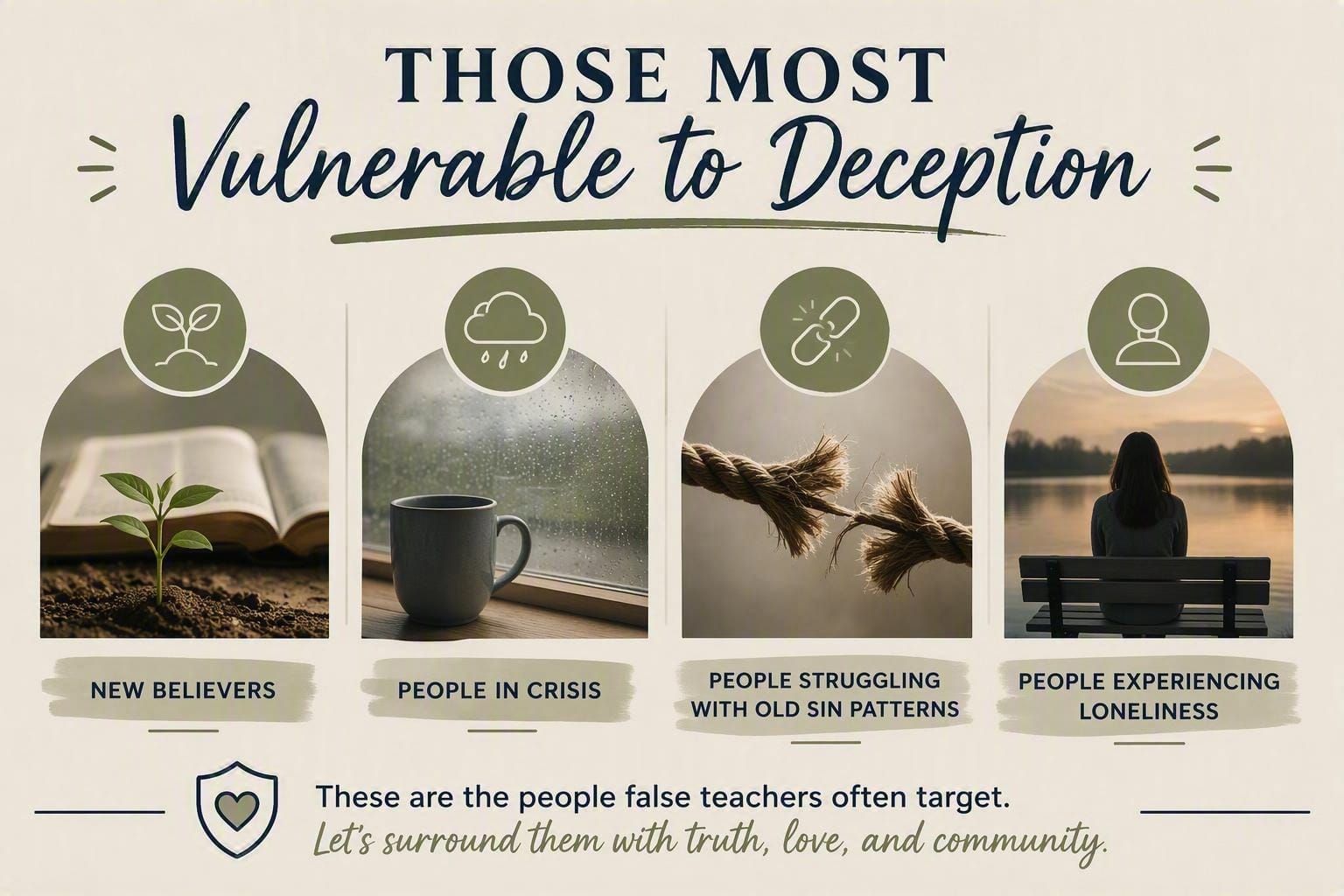
Think about why these groups might be susceptible. New believers are still learning the foundations of their faith. People in crisis often search desperately for answers. Those battling recurring sin may be drawn toward messages that promise shortcuts or relief. Lonely individuals may be willing to trust almost anyone who offers acceptance and belonging.
These are exactly the people the church should rally around.
What would it look like for our church community to intentionally protect and encourage those who are vulnerable?
Perhaps it means discipling new believers instead of assuming they'll figure things out alone. Perhaps it means walking closely with those experiencing grief, uncertainty, or hardship. Maybe it means simply noticing who seems disconnected and inviting them into meaningful relationships.
The responsibility to guard against false teaching doesn't belong only to pastors or ministry leaders. Every believer has a role to play in helping others remain grounded in truth.
The Threat is Often Closer Than We Think
One of Peter's most startling statements is that these false teachers "feast with you" (v. 13). In other words, the threat isn't always obvious.
False teaching isn't always found outside the church walls. Sometimes it appears among people we trust. Sometimes it arrives through voices we admire. Sometimes it comes packaged in content that's engaging, entertaining, and highly persuasive. This reality feels especially relevant today.
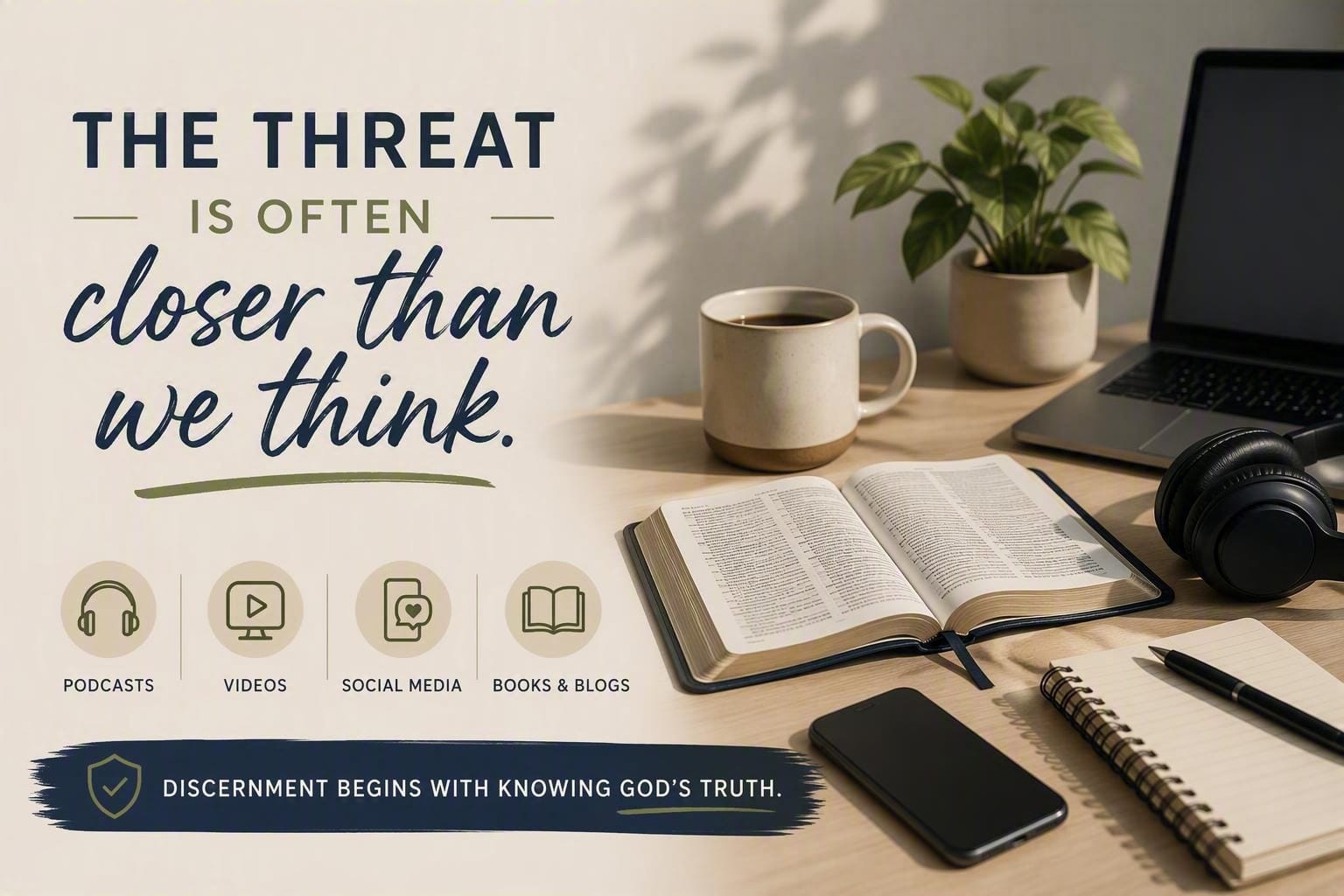
Most of us consume hours of content each week through podcasts, YouTube videos, social media platforms, books, and streaming services. Those resources can be incredibly helpful. They can also expose us to ideas that slowly pull us away from God's truth.
Where are you most likely to lower your guard?
For some, it may be social media. For others, it may be political commentary, self-help content, or influencers whose charisma overshadows the substance of their message. Not every viewpoint we disagree with qualifies as false teaching. However, we should pay attention whenever ideas contradict God's character, God's Word, or God's design for human flourishing.
The goal isn't isolation. The goal is discernment.
The Corrupting Power of Money
Peter also identifies greed as a powerful motivation behind false teachers. To illustrate this point, he references Balaam from Numbers 22, a man who allowed financial gain to influence his actions.
Money itself isn't evil. Scripture consistently presents resources as gifts that can be used for tremendous good. Yet money has a unique ability to expose what's happening in our hearts. There is a reason financial stewardship appears so frequently throughout the Bible. Jesus talked about money often because He knew how easily it competes for our allegiance.
Even mature believers are not immune.
Have you ever felt tempted to compromise your convictions because it seemed financially advantageous? Maybe it wasn't a major decision. Perhaps it was a small compromise, a questionable shortcut, or a willingness to remain silent when speaking up felt costly. Greed rarely begins with dramatic rebellion. More often, it starts with subtle justifications.
Peter's warning reminds us to regularly examine our hearts. Are we using money as a tool to serve God, or are we allowing money to shape our decisions more than God does?
Because money has such a powerful influence on our priorities, fears, and decisions, it's worth regularly asking whether our financial life reflects our faith. For many of us, that's easier said than done. If you're wrestling with questions about stewardship, generosity, financial decisions, or how to align your finances more closely with biblical values, we'd love to help. One of our passions at SEM is helping people pursue financial wisdom that honors God and supports the life He has called them to live.
Empty Promises and Worthless Wells
In verses 17-22, Peter shifts his focus from the motivation of false teachers to their impact on others. His imagery is memorable.
He describes them as "springs without water" and "mists driven by a storm" (v. 17).
Imagine desperately searching for water in a dry desert and discovering that the spring you've found is empty. That's Peter's point. False teachers make promises they cannot keep. They offer freedom but produce bondage. They promise fulfillment but leave people empty. They claim wisdom but separate people from the true source of life.
No matter how persuasive they appear, they cannot provide what only Jesus can give. That's why Peter speaks so strongly about their accountability before God. People who knowingly lead others away from truth bear a serious responsibility.
Vigilance Without Paranoia
As we read this passage, it's important to avoid two extremes. One extreme is carelessness. We ignore warning signs and assume we're immune to deception. The other extreme is paranoia. We become suspicious of every teacher, every sermon, and every disagreement.
Neither response reflects Peter's intent.
Instead, Peter calls us to thoughtful discernment. One helpful way to evaluate leaders is by asking a few simple questions:
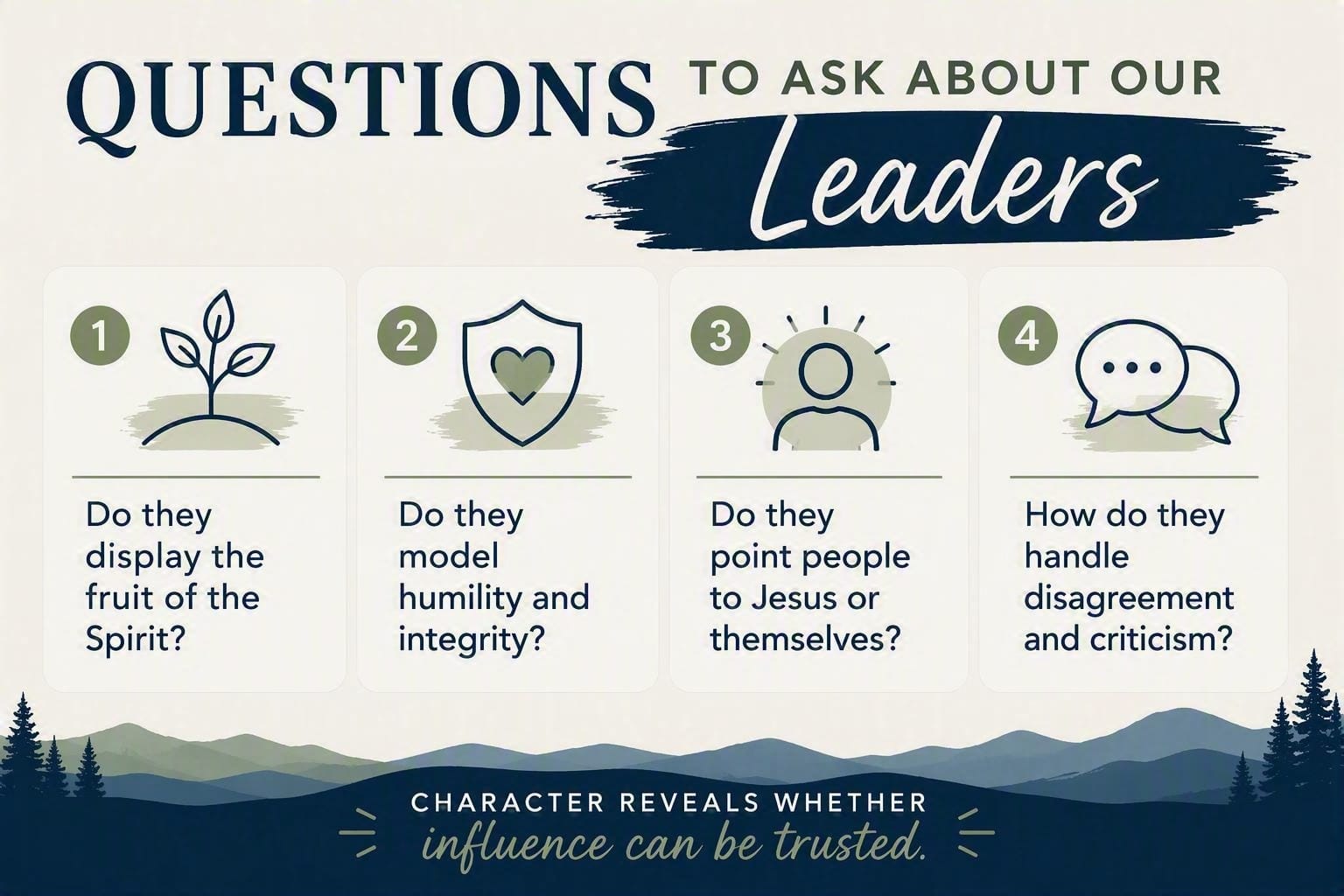
Notice that these questions focus heavily on character.
In our culture, charisma often attracts attention. Yet Scripture repeatedly emphasizes character over personality. A gifted communicator may draw a crowd, but godly character reveals whether that influence can be trusted.
Standing Firm in Truth
So how do we protect ourselves from false teaching?
Peter's message points us toward three practical habits. First, develop deep roots in God's Word. The better we know Scripture, the easier it becomes to recognize teaching that contradicts it. Second, stay connected to a healthy church community. Discernment was never meant to be an individual project. God often protects us through the wisdom, accountability, and encouragement of other believers. Third, pay attention to character, not just charisma. Before following someone's teaching examine the fruit of their life.
The topic of false teaching is undeniably serious. Many of us know stories of individuals who were hurt by leaders who abused their influence or distorted God's truth. Peter reminds us that God sees those situations and will ultimately hold deceptive leaders accountable. But his warning is also filled with hope. We are not left defenseless.
God has given us His Word as our foundation. He has given us His Spirit as our guide. He has given us His people as our protection. False teaching may be nearer than we suspect, but so are the resources God has provided to help us stand firm. As we remain rooted in Scripture, connected to God's people, and focused on Christ, we can walk with confidence, discerning truth without fear and remaining anchored in the hope of the gospel.
Cornerstone Impact Update
Busy has become the default pace of modern life.
We're constantly moving from one responsibility to the next, filling every spare moment with notifications, screens, and endless to-do lists. But when we look at Jesus, we see someone who was never rushed.
In the final blog in our Ruthless Elimination of Hurry series, we explore how physically slowing down trains our souls to resist hurry, increases our capacity for patience, and helps us become more present with God.
If you've ever felt exhausted by the pace of life, this blog is for you.
 Courtney Dent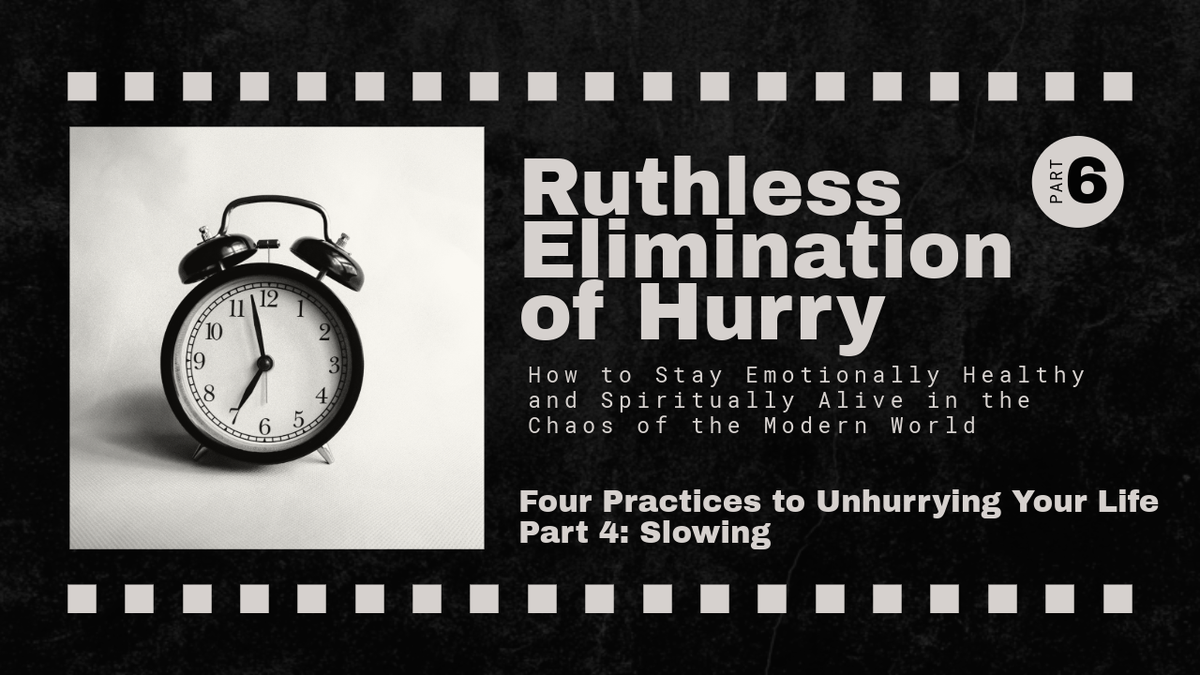
Inspire
Inspire Investing reviews what it sees as a major change in corporate engagement during Pride Month 2026. The article explores declining participation in LGBTQ-focused corporate initiatives, the factors that may be driving the shift, and what these developments could mean for biblically responsible investors seeking to align their portfolios with their values.
 Chris Hubbard
As artificial intelligence becomes more powerful, concerns about AI-generated deepfakes continue to grow. This article reviews the scale of the problem, its effects on victims, and recent legislative efforts aimed at reducing abuse and protecting individuals online.
 Chris Hubbard
Eventide
Many Christians wrestle with questions about profit and investing. This article examines what Scripture teaches about work, business, and wealth, arguing that ethical profit and faithful generosity can work hand in hand when resources are used to serve others and honor God.

This webinar focused on the state of the U.S. and global economies and considered implications on financial markets.