This week was the unofficial start to summer, which feels wrong that it isn’t official. Memorial Day being in the spring doesn’t quite sit right with me, as here in Arizona the kids are now off on “Summer break”, our neighborhood pool is getting full use through all daylight hours, and our AC is on a full-time schedule again. As the annual discussion rolls around whether or not daylight-savings time should be made permanent or not, this time being brought up by our president who is never one to stay on the sidelines in such matters, I think we should also focus some energy on doing a tweak to our seasonal calendars.
The Summer solstice doesn’t seem like the right metric to use for the start of Summer, when here we are almost a whole month away from the longest daylight hours of the year and if I am getting up before the sun is, my alarm needs to be set at 5am. By the way, for those who favor permanent standard time hours, that’s what your summer would look like, as Arizona is currently on permanent standard time. I certainly wouldn’t mind another hour before the sun greets me.
Back to the seasons, shifting all seasons up one month seems to make the most sense, as for me personally, my mid-December birthday would finally be a winter birthday like it belongs, rather than a fall birthday. The start of fall would take place right before we all lose our Saturdays and Sundays with the return of football, and spring brings in the end of football season, some non-football fans’ (and I’m sure some Raiders fans’) favorite time of year.
As we enter "unofficial summer", Graduations are still fresh in our minds, maybe you have a recent grad or you don’t and now you have to find a way to entertain your children until they’re the school’s responsibility again. Everybody is getting into the graduation game these days, as even at my son’s preschool they had a little banner set up congratulating those who were ready to move on to PreK. My Pixar childhood may have led me to become Mr. Incredible, but come on, they had tiny little caps and gowns.....it was kind of cute.

Something that a handful of graduates didn’t find cute, however, was the mention of AI. My alma mater had a former Google CEO speak at their commencement, and the students in attendance booed him when he brought up how AI will be a part of their life. There were other examples I saw from a few different graduations, and the sentiment for a lot of people who have their concerns about AI is that we’re on the verge of something dystopian and far less human than we’d like. This of course is simply fear and concern of the future, and nobody really knows how this whole thing is going to end up.
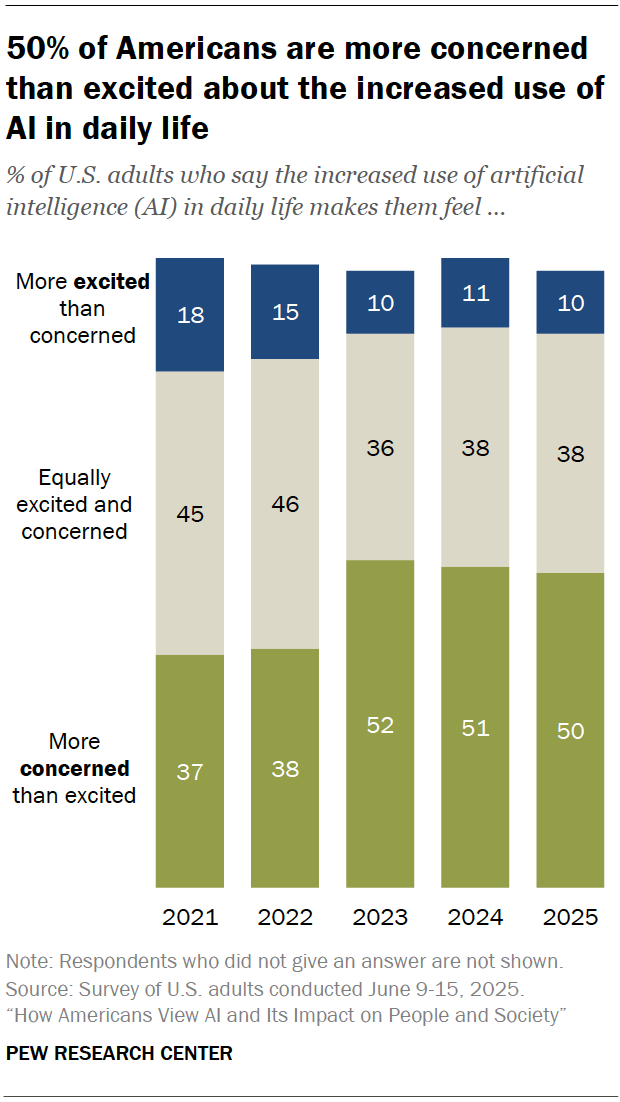
With this technology still in its infancy, and with how technological progress always seems exponential, it is pretty easy to hypothesize about the power AI could potentially have in our lives, and the scope in which that will occur. One of the notes on this is this assumes no barriers to allowing AI to grow. One of those barriers could be humans themselves. Setting up regulations and safeguards are something that could be on the table if there is enough public concern about the prospects of AI. That concern still exists, according to a Pew Research Poll conducted last year. It is almost impossible to predict what the government will do in this regard. With the large presence of money surrounding the players of AI companies, lobbying efforts could certainly get in the way of regulation and reform. Will public opinion on AI improve as we all get more comfortable with it, or will the noise become too much for politicians to ignore?
With AI’s strong hold on the stock market, what will happen with all this is of the most importance to traders and money managers. Finding out the most prudent ways to invest in AI remains a tricky proposition; do you invest in the players who have already met strong earnings due to their direct involvement in AI, like chip makers, or are there other opportunities to broaden out your AI investments?
We’ve seen companies aided by the presence of AI is by those who support the AI infrastructure. One way, that I don’t think many had expected early on in the AI boom, is in how memory affects AI. It makes sense, of course, that these resource-intensive products will be spending a lot of resources on making their product work effectively, but I don’t think we expected how much of an impact that would have on the memory-makers. That boost was enough to make Micron and SK Hynix the newest trillion-dollar companies. There are a handful of other companies who saw a similar boom, almost all caused by the new demand for their memory chips. So, is there now a new bubble to worry about as a handful of memory stock companies have soaring stock prices, or a brand-new opportunity that’s just getting started? Will there be more investments in the supply chain, but this time for those who benefit in the production of memory chips?
The important thing to note here is that your guess truly is as good as mine. One of the things that I think we’ve lost in this AI boom is that it truly is okay to not know stuff. Having that honesty is crucial rather than pretending like you have the answers that you don’t have. SEM continues to monitor the AI situation and how it stands in juxtaposition to the overall market to find opportunities for prudent investing. If you would like more direct investment in AI’s future, we offer a catered investment model called the Digital Asset Portfolio that we can give you more information on if that is something you’re interested in. We also have portfolios, like Enhanced Growth Allocator (EGA), which will take focused, sector positions from a TACTICAL basis (momentum, not fundamental belief in the sector). A little more boring exposure comes from our ability to overweight "growth" stocks in Cornerstone and AmeriGuard portfolios.
Until next time, stay safe and cool out there this Summer.
Economic Data
There were a handful of economic releases last week that didn't really move the market. This week's calendar is a busy one with ISM Manufacturing and Services indexes and the all-important Payrolls report. Jeff will be back next week with our usual monthly economic update.
Market Charts
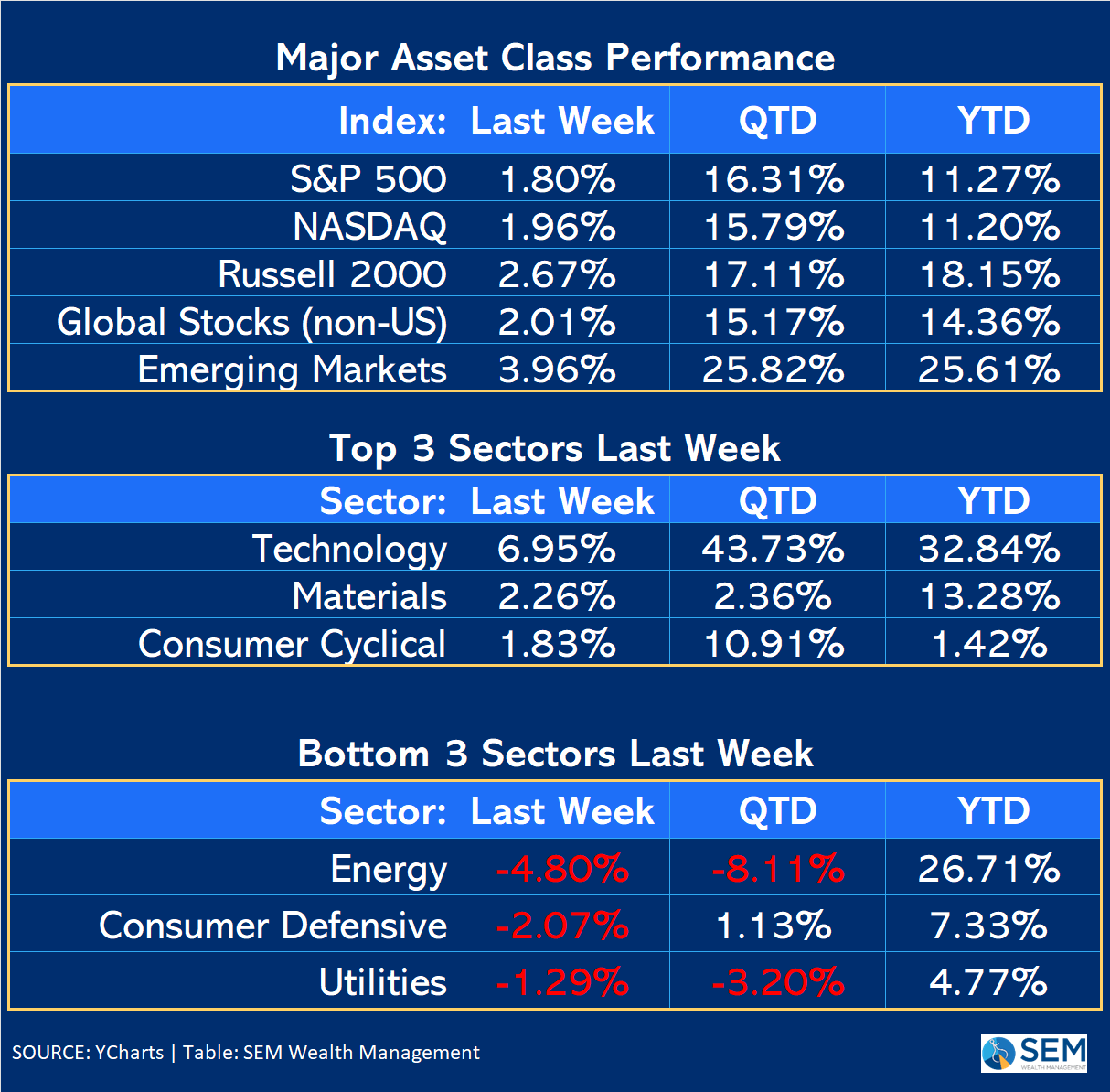
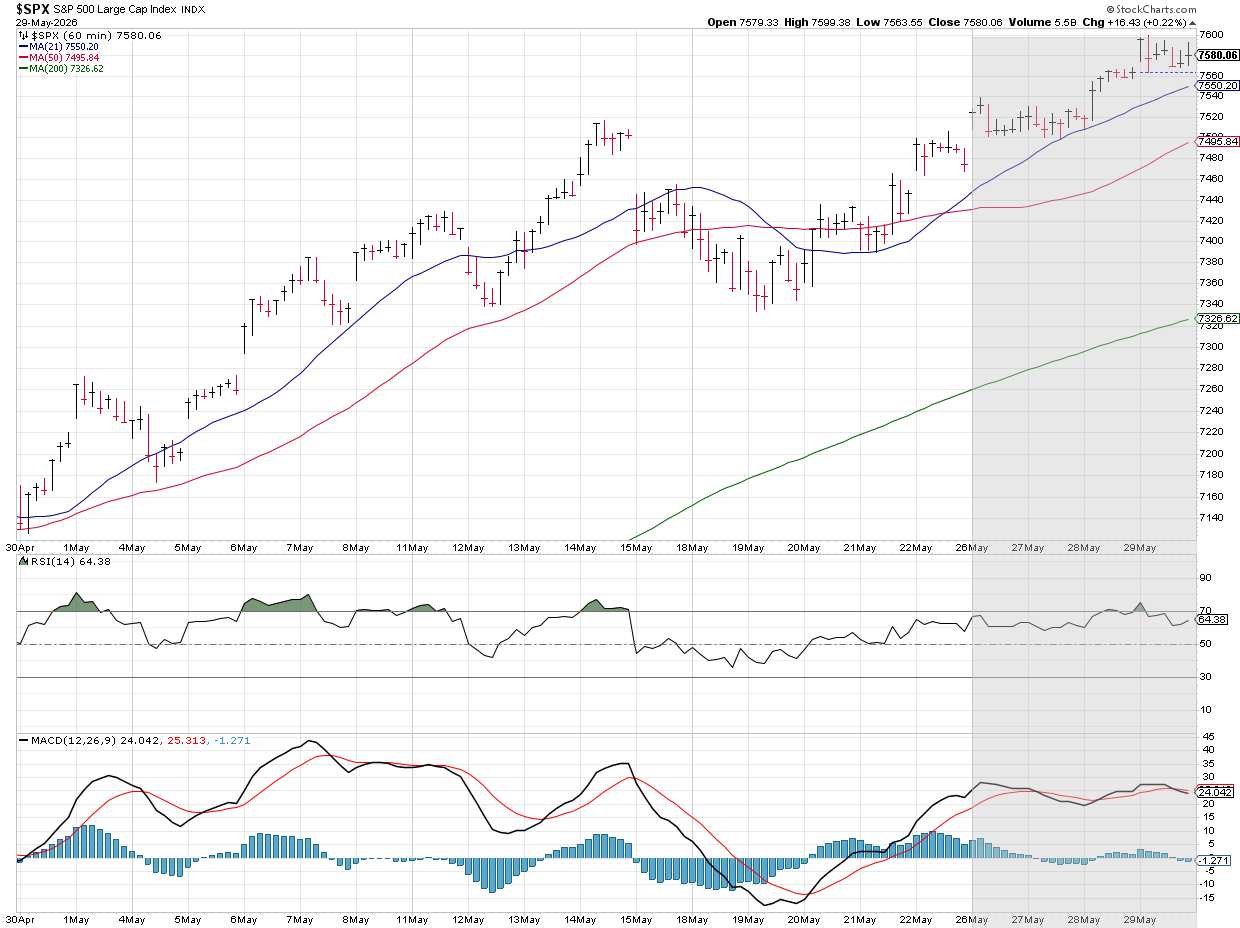
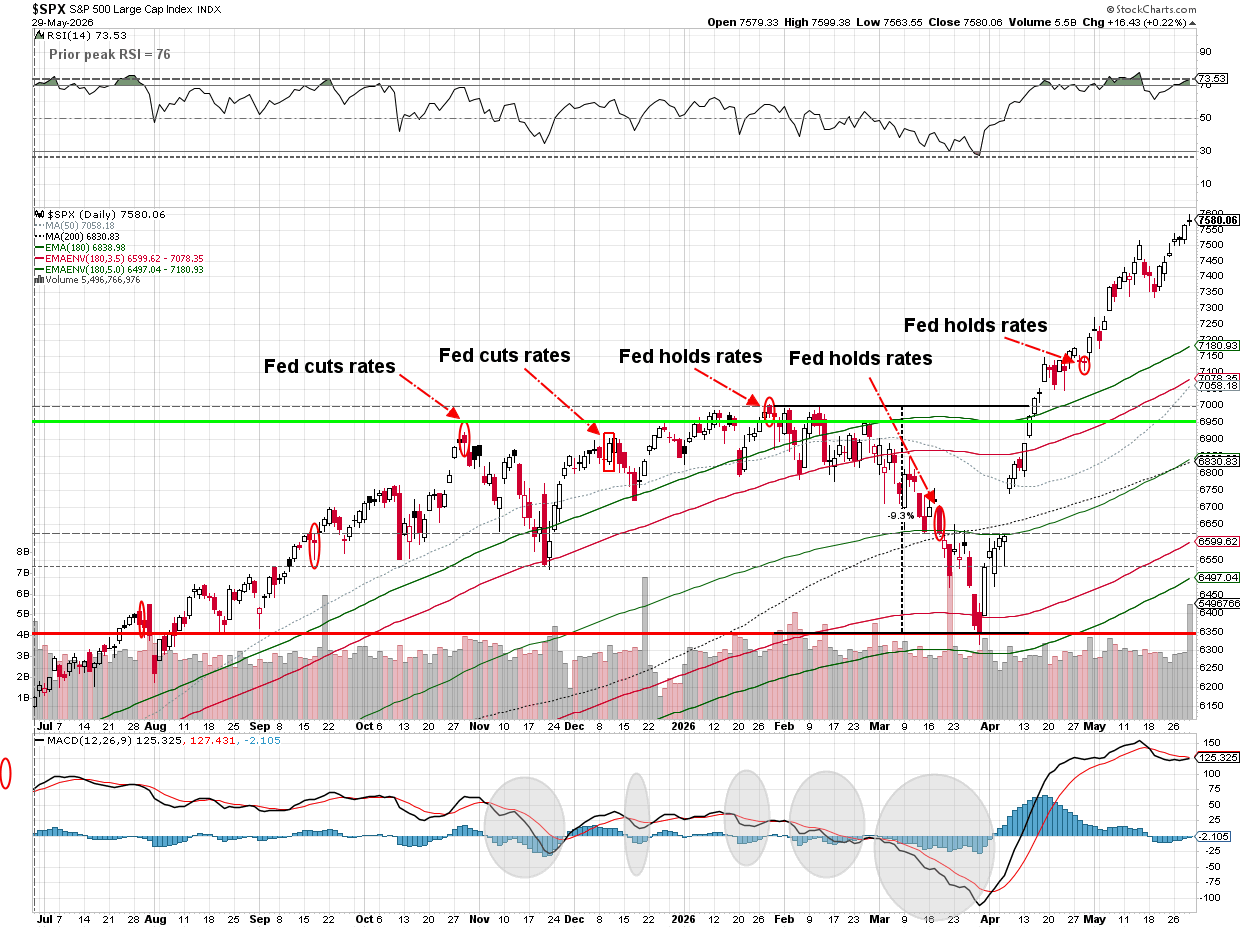
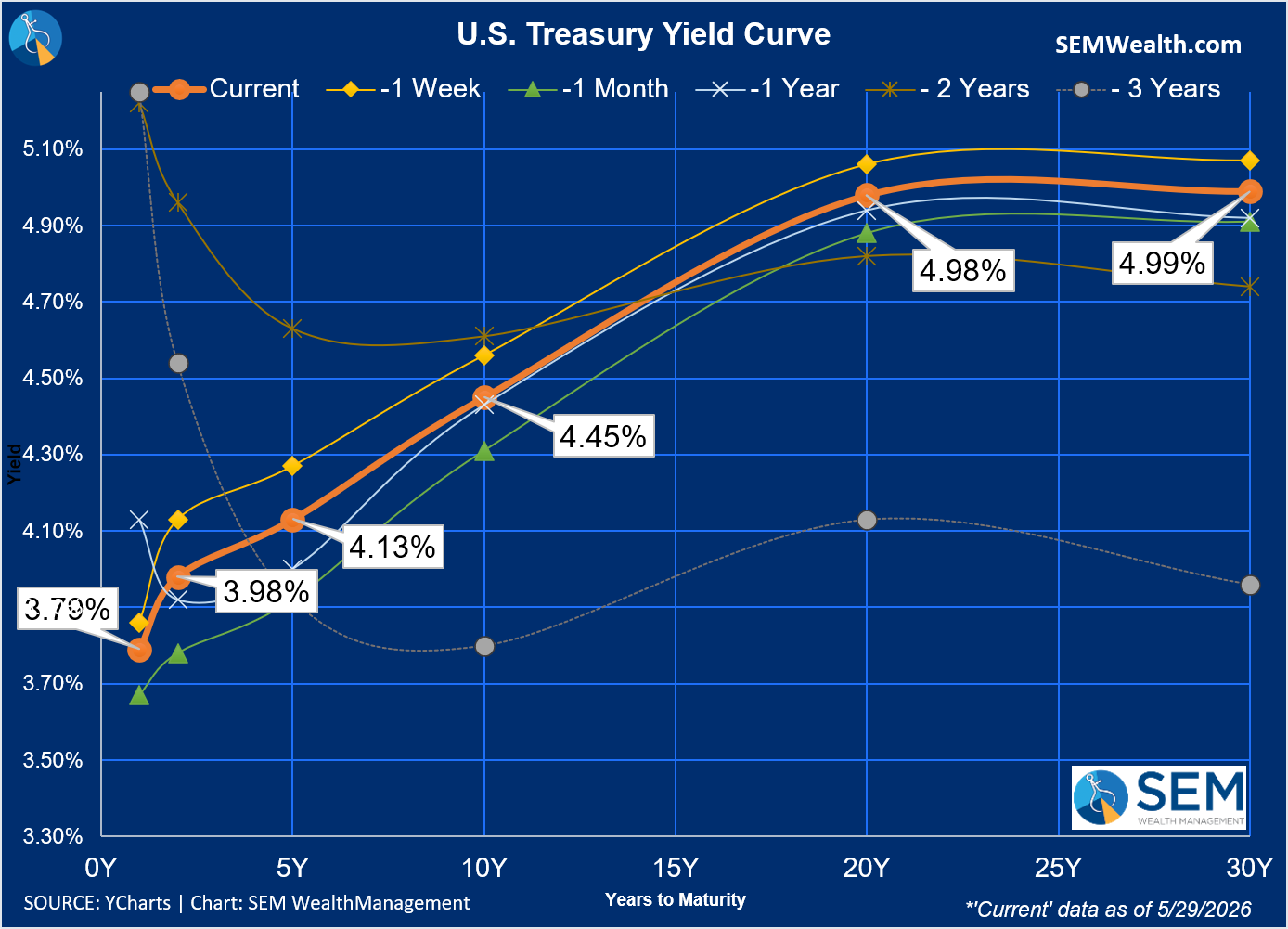
Note: Charts "1 Week" numbers are for the last 5 trading days, so the "Last Week" data is for Friday, May 22 - Friday May 29 (due to the Memorial Day Holiday).
SEM Market Positioning
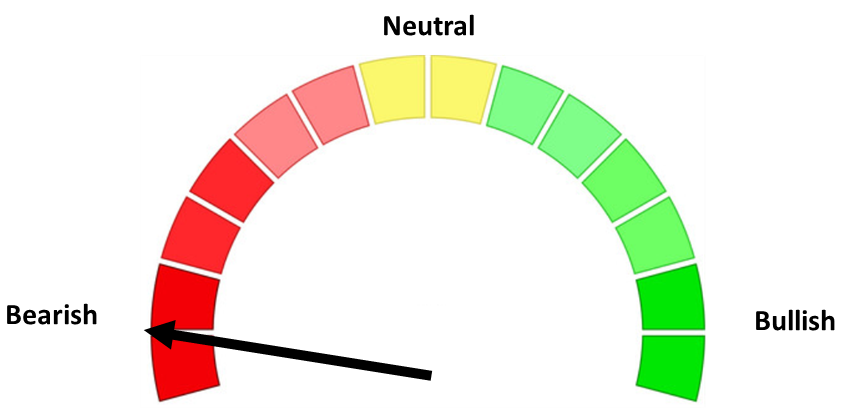
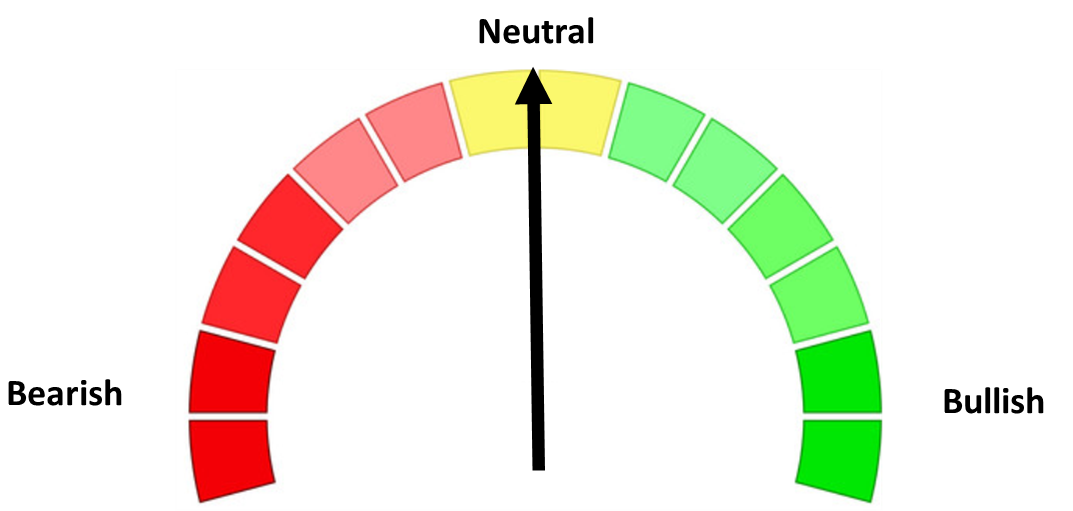
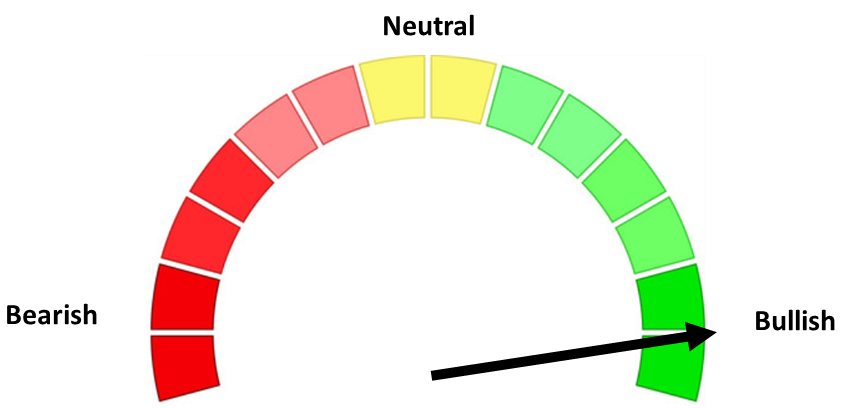
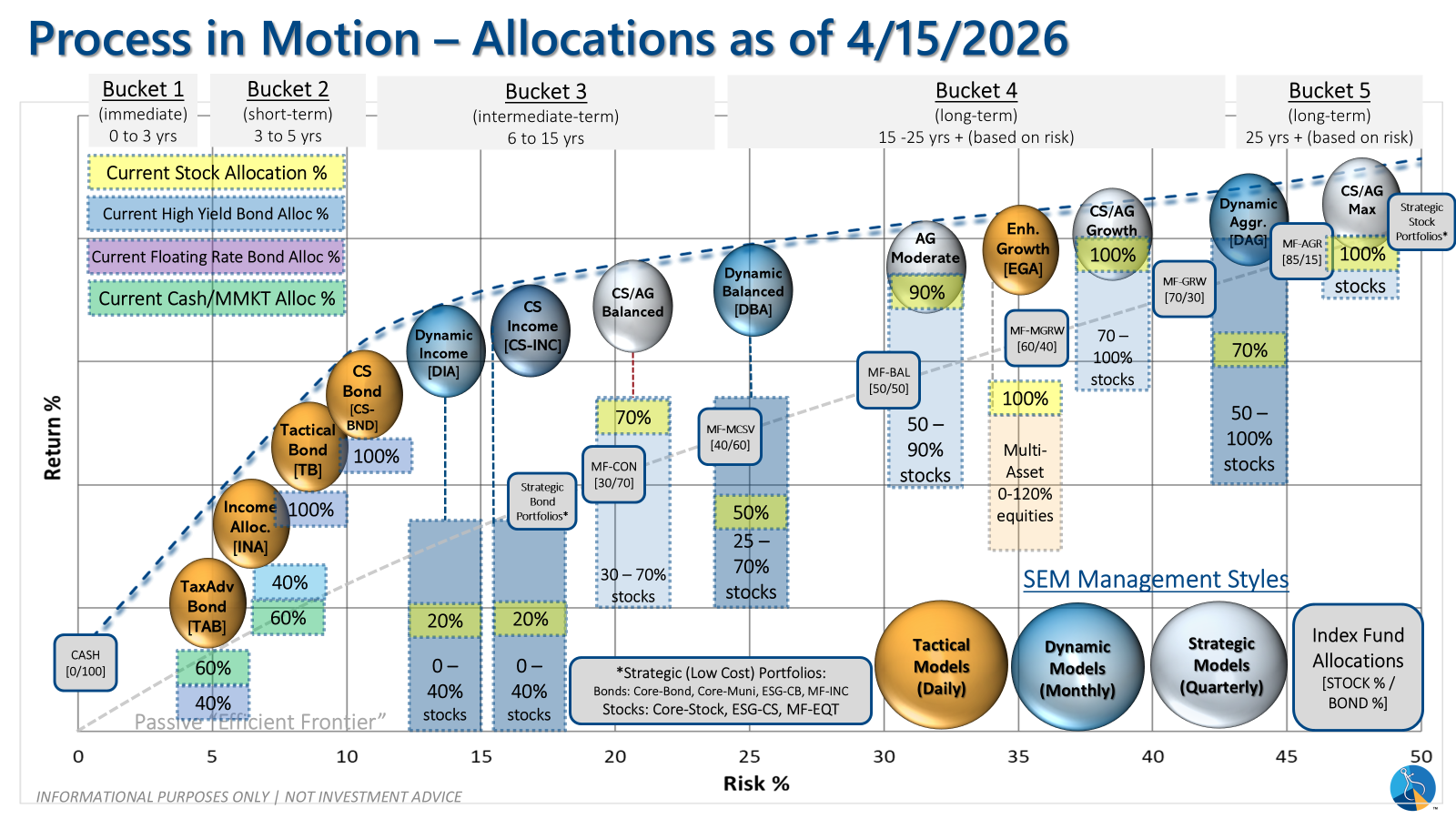
SEM deploys 3 distinct approaches – Tactical, Dynamic, and Strategic. These systems have been described as 'daily, monthly, quarterly' given how often they may make adjustments. Here is where they each stand.
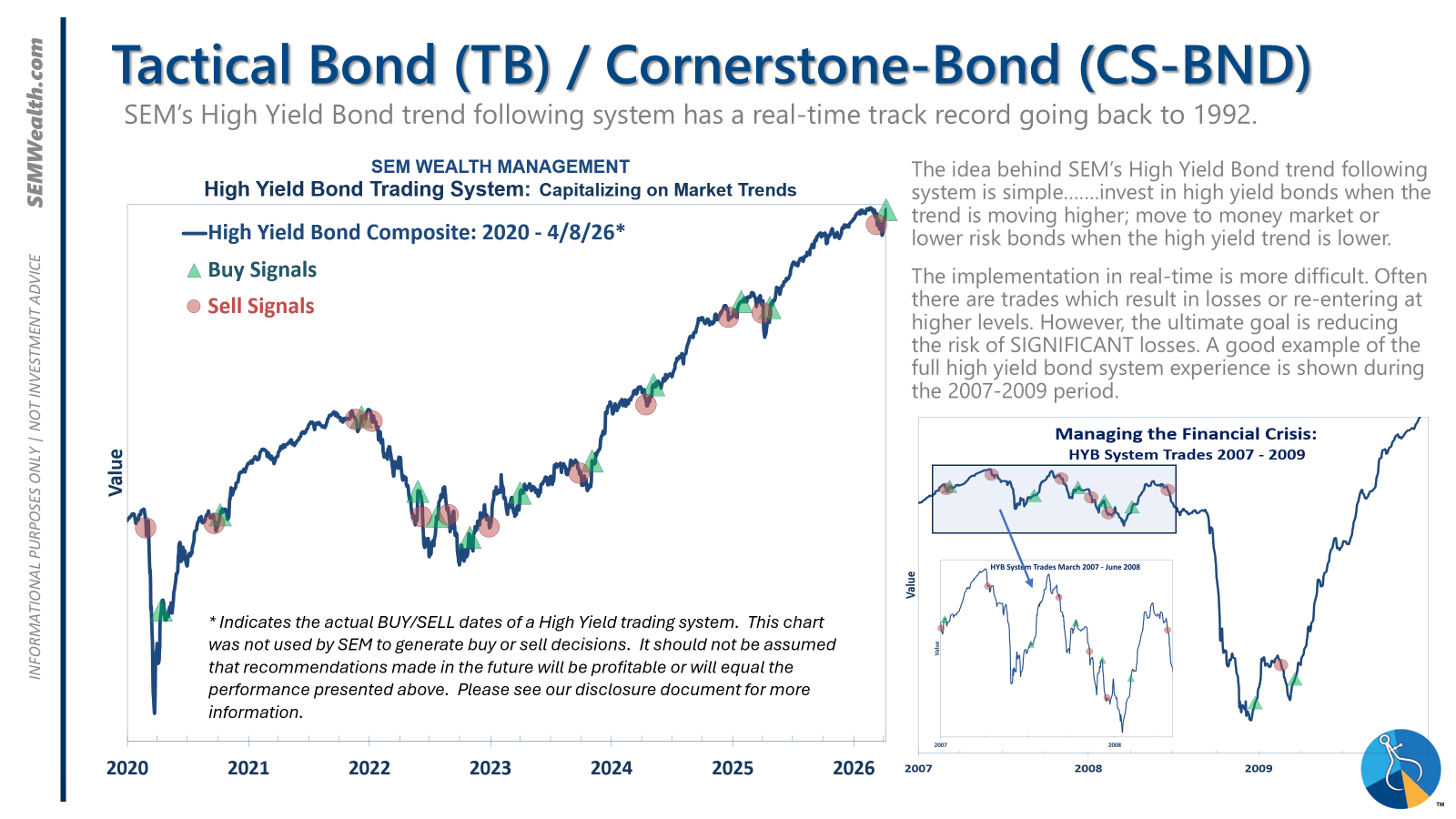
- Tactical = BULLISH | 100% High Yield Bond (4/8/2026) | High-yield spreads remain narrow but trend is slightly higher
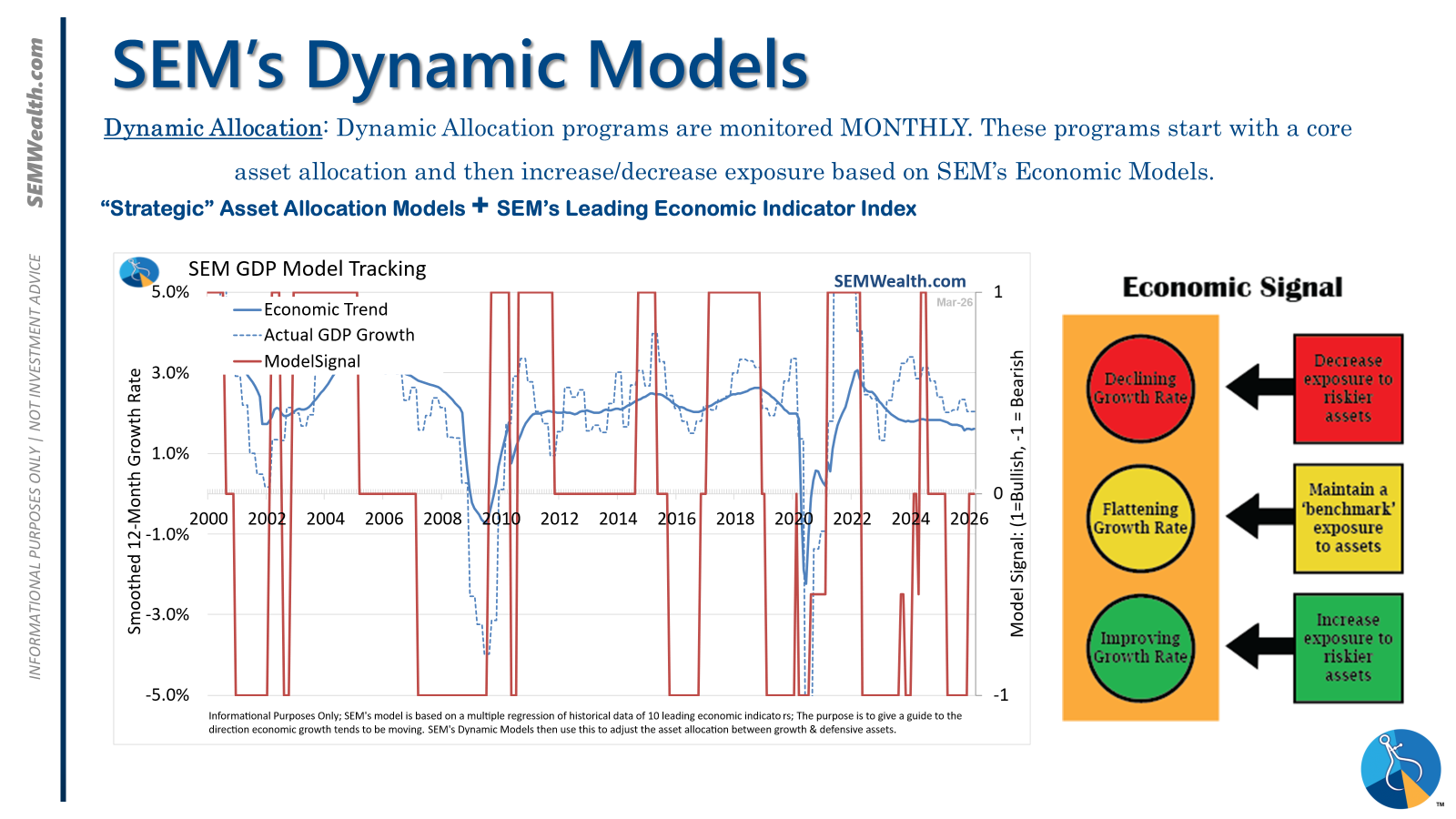
- Dynamic = NEUTRAL (2/15/2026) | "Benchmark" Allocation | Economic model inconclusive
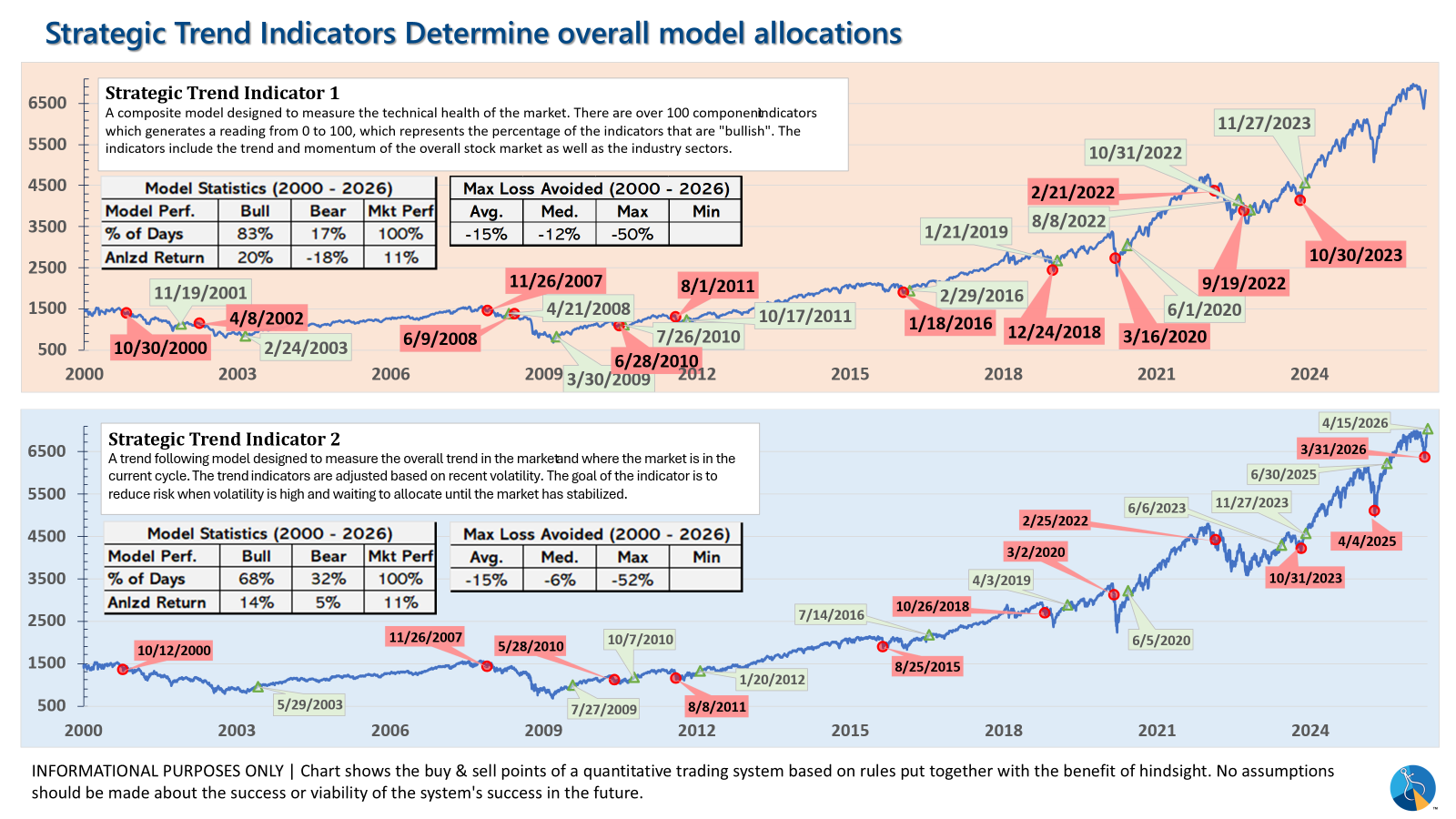
- Strategic = BULLISH (4/15/2026) | V-Bottom projecting "end" of Iran War
Tactical (daily):
- Monitored DAILY
- Models: Tactical Bond, Cornerstone Bond, Income Allocator, Tax Advantaged Bond
- Designed to follow the trends for use in our lower risk models
- BUY Signal issued April 8, 2026 (exiting the sell from March 13)
Dynamic (monthly):
- Monitored MONTHLY
- Models: All "Dynamic" Models (Income, Balanced, Growth, and Asset Allocator)
- Uses SEM's Quantitative Economic Model
- Designed to overweight riskier assets if economic trend is higher & underweight those assets if economic trend is lower.
- NEUTRAL signal issued February 15, 2026 (following BEARISH signal from July 2025)
Strategic (quarterly)*:
- Monitored QUARTERLY
- Models: AmeriGuard (Balanced, Moderate, & Growth) and Cornerstone (Balanced & Growth)
- Core Component: Quantitative Filter using 4 different time horizons across universe of asset classes
- Trend Indicator: Two different Quantitative Systems monitoring the intermediate-term trend, health of the market, and volatility
- CORE has been overweight small cap and international since October 2025 – overweight increased slightly in January
- Both TREND INDICATORS are BULLISH following 10% drop and "V-Bottom" reversal in early April
- AmeriGuard & Cornerstone Max DO NOT use the Trend indicator and are always 100% invested in stocks using our CORE rotation model.
The core rotation is adjusted quarterly. This quarter we saw half of our international positions reduced (we sold developed markets and kept our emerging markets exposure). We also saw the remaining share of mid-cap reduced in favor of more small cap exposure. We remain with a "barbell" core portfolio – about half in large cap and half in small cap as the models expect the market to "broaden".
The * in quarterly is for the trend models. These models are watched daily but they trade infrequently based on readings of where each believe we are in the cycle. The trend systems can be susceptible to "whipsaws" as we saw with the recent sell and buy signals at the end of October and November. The goal of the systems is to miss major downturns in the market. Risks are high when the market has been stampeding higher as it has for most of 2023. This means sometimes selling too soon. As we saw with the recent trade, the systems can quickly reverse if they are wrong.
Overall, this is how our various models stack up based on the last allocation change:
Curious if your current investment allocation aligns with your overall objectives and risk tolerance?